
Reviewed · VILLAGE TOURS
Antigua: Villages Tour on Chicken Bus
Small villages reveal big stories. This half-day trip rolls beyond Antigua in a colorful Guatemalan chicken bus, linking village plazas, family workshops, volcano views, and a macadamia farm. I like the warm chocolate tasting in San Juan del Obispo and the chance to see how small family businesses keep local traditions going.
I also like the way the tour covers several communities without making you solve the transport puzzle yourself. The main consideration is the bus itself: it is a real former chicken bus, but it is reserved for the tour group, so you will not ride alongside local passengers on a public route. That makes the trip more comfortable, but less like everyday public transport.
In This Review
- Key points to know before you book
- Why this half-day trip works well from Antigua
- Boarding the colorful former chicken bus
- San Juan del Obispo: chocolate, loquat, and a valley view
- San Pedro Las Huertas and its farming traditions
- Passing the first Spanish capital in the Americas
- Valhalla Experimental Station and the macadamia story
- The guides make the difference
- What the $95 price really covers
- Who should book this Antigua villages tour?
- Should you book it?
- FAQ
- Where does the tour begin?
- What time does the tour start?
- How long does the tour last?
- What villages does the tour visit?
- Is the bus a real Guatemalan chicken bus?
- Is lunch included?
- What is included in the price?
- How many people can join the tour?
- Can I cancel for a full refund?
Key points to know before you book
- Chocolate and loquat in San Juan del Obispo: Sample handmade chocolate and village-made loquat products, including wine, jams, and preserves.
- Volcano views from San Pedro Las Huertas: See Agua and Fuego volcanoes from a peaceful farming village with a colonial church and communal wash basin.
- A working macadamia farm: Learn how Valhalla Experimental Station connects organic agriculture with skin care, food, medicine, and support for Indigenous communities.
- A guide-led view of rural Guatemala: Guides such as Juan Jesus, Esteban, Felix, Diego, Michael, and Katy have been praised for clear English, humor, local insight, and flexibility.
- Small-group format: The group is limited to 15 people, with a published duration of about five to six hours.
- Good value for a wide area: At $95 per person, the price covers transport, guide service, bottled water, snacks, fees, and several tastings, but not lunch.
Why this half-day trip works well from Antigua
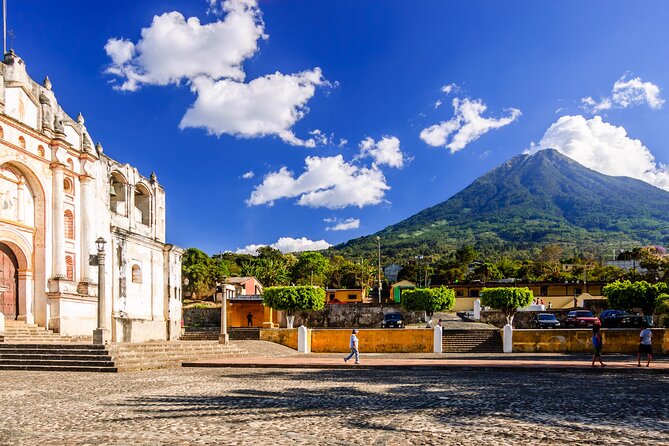
Antigua is easy to explore on foot. Its cobbled streets, churches, courtyards, and ruined convents can fill a day. But the city tells only part of the story. The villages around it show where food is grown, family products are made, and daily life continues beyond the colonial center.
That is the strength of this tour. You ride from Antigua into nearby communities instead of stopping at one polished attraction. The route gives you a look at farming areas, village plazas, family workshops, and a working agricultural project in one outing.
The tour lasts roughly five to six hours. That is long enough to cover several stops without turning the day into an exhausting full-day excursion. It begins at Casa de la Mandarina, at 2a Calle Poniente 2, with an 8:30 am start published for the experience. The description also refers to morning or afternoon start choices, so I would confirm the available time when booking.
Your group may include up to 15 people. That is small enough for questions and conversation, though the experience will feel more personal if the group is well below the maximum.
More village tours around Antigua:
- FROM ANTIGUA, ROUND TRIP: EXPLORING THE VILLAGES OF LAKE ATITLÁN.
★ 4.6 · 382 reviews - Villages tour by Mule / buggy
★ 5.0 · 72 reviews - Antigua Villages Atv Tour
★ 4.9 · 49 reviews
Boarding the colorful former chicken bus
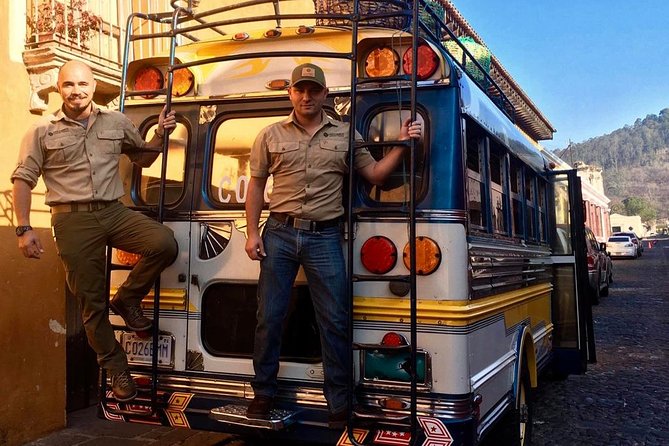
The bus is part of the fun, but it is important to understand what you are getting. This is a genuine Guatemalan chicken bus that was once used between villages. It now operates exclusively for the tour group.
In Guatemala, chicken buses are often brightly painted former American school buses. Here, the bus gives you the look and feel of that transport tradition without the packed public route. You get a more relaxed ride and a dedicated driver, but you do not get much contact with local commuters.
That difference matters. If you want to ride public transport as part of ordinary village life, this will not fully deliver that experience. The operator explains that no single public route links all the villages visited, so using regular buses would add considerable waiting and transfer time.
The dedicated bus is also practical. You can cover several communities in one morning, and you can focus on the guide rather than watching for the correct connection. The driver is expected to handle the road while your guide explains what you are seeing.
The bus may appeal especially to families, couples, and first-time visitors to Guatemala who want a taste of local transport without dealing with a complicated route. If public transport itself is your main interest, treat the bus as a themed vehicle and a useful way to move around, not as a fully ordinary commute.
San Juan del Obispo: chocolate, loquat, and a valley view
The first stop is San Juan del Obispo, where the village plaza opens toward views of the surrounding valley. The setting gives you an early sense of how closely Antigua’s nearby communities connect with farmland and volcano country.
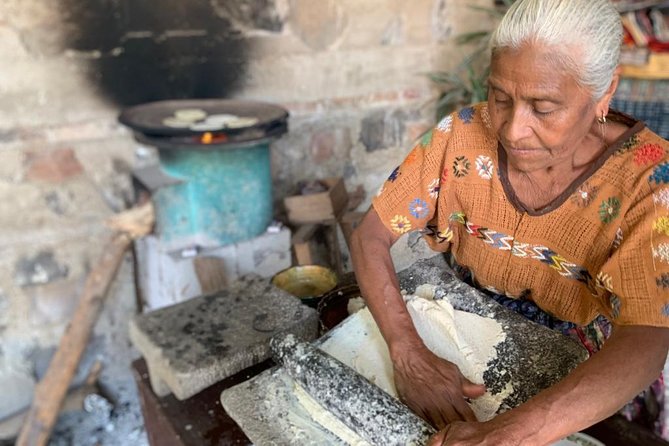
The visit includes a family-owned chocolate shop with a tradition said to span more than five generations. You learn how cacao becomes Guatemala’s familiar chocolate drink, then receive a warm tasting. This is not just a quick sample at a souvenir counter. The value is in seeing a local product explained through a family business.
Chocolate is an excellent opening stop because the process is easy to follow and the tasting gives the lesson a clear payoff. You can ask questions about the cacao bean, preparation, and the place of chocolate in Guatemalan food traditions. Several guides have also included explanations of coffee, textiles, and other local products on different departures, so the exact mix may vary.
Around the corner is the Loquat Museum. Loquat, a golden fruit, is turned into wine, jams, and preserves that are associated with the village. You get the chance to sample these products and see how a fruit that might seem ordinary becomes part of a local specialty.
This stop is strongest for people who enjoy food with a sense of place. You are not simply tasting something sweet. You are seeing how a village gives its own identity to cacao and fruit. The possible drawback is that product visits can encourage shopping, although the experience has been described as low-pressure, and purchases are not presented as mandatory.
San Pedro Las Huertas and its farming traditions
San Pedro Las Huertas is a farming community known for tomatoes, beans, and lettuce. The village feels quieter than Antigua, and the walk through its streets shifts the focus from grand colonial buildings to ordinary public spaces.
A traditional communal sink is one of the notable sights. Multiple washing spots allow residents to access water and wash clothing. Beside it, the plaza and the baroque Spanish Colonial church offer a useful contrast between everyday work and formal religious architecture.
The stop also gives you open views toward Agua and Fuego volcanoes. Weather and visibility will affect what you see, but the setting is one of the best photo opportunities on the route. The views help explain the appeal of the surrounding villages: cultivated land, church towers, and volcanoes all sit within the same frame.
A jade factory may be added if all participants agree. That detail is worth noting because it means the stop is not guaranteed on every departure. You should see it as a possible extra, not a fixed part of the tour.
The village visit is also a good reminder that rural Guatemala is not a stage set built for sightseeing. The communal wash area and working farms connect the tour to daily routines. Your guide can add context about religion, local history, crops, and community life, and this is where the guide’s skill matters most.
A few more Antigua trips worth weighing up
- From Antigua: Adventure, 2-Day Hiking to Acatenango Volcano
★ 4.4 · 1,189 reviews - From Antigua: Pacaya Volcano Tour in English/Spanish
★ 4.5 · 930 reviews - From Antigua: Pacaya Volcano Trek
★ 4.4 · 798 reviews - Antigua, Guatemala: Volcano Acatenango Overnight Hiking
★ 4.6 · 645 reviews
Passing the first Spanish capital in the Americas
Between stops, the bus passes through the area associated with the first capital of the Spanish Crown in the Americas. The route includes views of farmland where flowers and vegetables are grown for local use and international markets.
This section is easy to underestimate. You are not stopping for a formal museum visit, but the drive ties the villages together. Antigua is not isolated from the land around it. Its food, markets, trade, and communities depend on the productive areas nearby.
Ask your guide to point out what is being grown and how the former capital relates to the present-day communities. Guides including Juan Jesus and Esteban have been praised for answering questions about culture, religion, history, and contemporary life. That kind of commentary turns a transfer into part of the lesson.
The quality of this portion depends heavily on road conditions, traffic, and the guide’s storytelling. It is not a major attraction on its own, but it adds useful context between the village stops.
Valhalla Experimental Station and the macadamia story
Valhalla Experimental Station is the final major stop, and for many people it will be the most distinctive. This organic macadamia farm explains how a small nut can support agriculture, personal care products, food, medicine, and community development.
You learn about the farm’s environmental approach and its connection to Indigenous communities. The point is not simply that macadamias grow on trees. The visit shows how farming can create several kinds of value from one crop, from edible products to skin-care uses.
The farm is particularly good for you if you like seeing production rather than only buying finished goods. You get a closer look at how an agricultural project operates and why sustainable methods matter to local communities.
Several people have singled out the macadamia stop as a favorite, especially because the guide explains the nut’s many uses clearly. The visit can also balance the more commercial-feeling chocolate, wine, and jade stops. Here, the emphasis is on farming and the social effect of the project.
One practical note: the stop is listed as lasting about an hour, as are San Juan del Obispo and San Pedro Las Huertas. With transport between villages and possible extra visits, the five to six hour estimate makes sense. You will see a lot, but you will not have unlimited time at each place.
The guides make the difference
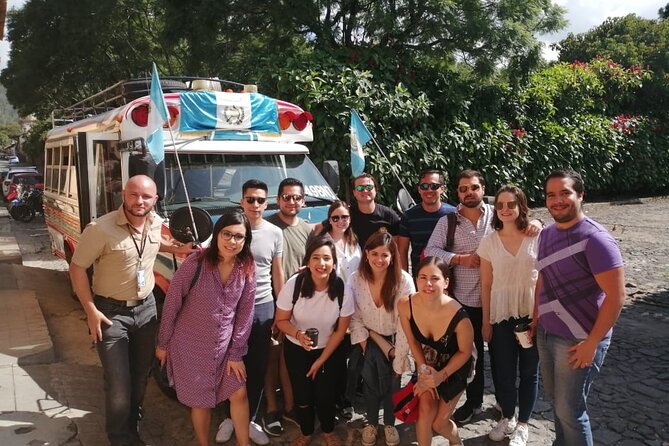
The strongest part of this experience is the guide service. Juan Jesus, often called JJ, has received especially warm praise for his humor, local knowledge, and ability to answer questions. Other praised guides include Esteban, Felix, Diego, Michael, and Katy.
That list matters because the tour involves several short visits. A guide who simply announces each stop would leave the day feeling like a series of shop visits. A guide who explains why the village matters, how a product is made, and how communities relate to Antigua gives the route a clear purpose.
The guides have also been described as helpful with photographs, restaurant suggestions, local tips, and small adjustments to the day. On one departure, a guide rearranged the route to suit the group. Another guide stopped for grilled street corn, while another helped a family with a young child feel comfortable.
You should not assume every guide will make the same changes or add the same unscheduled food stop. Still, the repeated praise for friendliness, clear English, humor, and flexibility suggests that guide quality is a central reason to book.
If you want a quiet ride with little explanation, this may feel talkative. If you enjoy asking questions and learning as you go, the guide-led format is a major advantage.
What the $95 price really covers
At $95 per person, this is not the cheapest way to see villages around Antigua. But price needs to be judged against what is included.
The fee covers all taxes and admission fees, bottled water, snacks, bilingual guide service, and transportation in the dedicated bus. You also receive tastings at several family or agricultural stops. Lunch is not included.
The value comes from combining transport and access. Hiring separate rides to San Juan del Obispo, San Pedro Las Huertas, and Valhalla Experimental Station would take planning, and public transport would not connect the full route directly. You also pay for interpretation, which is important when the main attractions are working communities and production methods rather than large museums.
I would rate the price as fair for visitors who want an organized cultural outing with a small group and several included tastings. It is less compelling if you prefer to travel independently, avoid commercial stops, or plan to visit only one nearby village.
Bring money for lunch and any products you may want to buy. The tour includes snacks, but the published details do not specify a full meal. One past departure included a family lunch, while another added empanadas, coffee, or tea, so food extras may depend on the guide and day. Do not count on lunch being part of the standard price.
Who should book this Antigua villages tour?
I would recommend it to families, couples, and solo visitors who want to see beyond Antigua without spending a full day on the road. It also suits anyone interested in food production, small businesses, agriculture, village architecture, and Guatemalan culture.
Families may appreciate the manageable length and the variety of stops. A Spanish-language review specifically describes the guide as attentive to a three-year-old, though you should still consider your child’s comfort with several hours of transport and walking.
The tour is also a strong first outing in Guatemala. It gives you basic context about the country, local communities, farming, religious buildings, and common products. That background can help you understand later visits to markets, museums, coffee farms, or Mayan communities.
I would be more cautious if your main goal is to ride a public chicken bus with local passengers. You will ride a real former chicken bus, but the vehicle is private to the tour. I would also skip it if you dislike tasting rooms or family workshops, even though there is no stated pressure to purchase.
The experience is free-cancellation up to 24 hours before the start time. It requires a minimum number of participants, so a cancellation for low enrollment can result in another date, another experience, or a full refund. Service animals are allowed, the meeting point is near public transportation, and the activity ends back at Casa de la Mandarina.
Should you book it?
Book this tour if you want a practical, friendly way to connect Antigua with the villages around it. The chocolate, loquat products, volcano views, communal wash area, and macadamia farm create a varied morning, while guides such as JJ and Esteban add the background that makes each stop matter.
Do not book it expecting a normal public-bus ride or a long, quiet look at one community. This is a guided sampler, with several stops and some family businesses along the way. At $95, it offers good value when you want transport, tastings, and cultural explanation in one package. For a first look outside Antigua, I would consider it a worthwhile choice.
FAQ
Where does the tour begin?
The tour begins at Casa de la Mandarina, 2a Calle Poniente 2, Antigua Guatemala 03001, Guatemala.
What time does the tour start?
The published start time is 8:30 am. The experience description also refers to morning or afternoon start choices, so confirm the available time when booking.
How long does the tour last?
The tour lasts approximately five to six hours.
What villages does the tour visit?
The planned village stops are San Juan del Obispo and San Pedro Las Huertas. The route also passes through the area associated with the first capital of the Spanish Crown in the Americas and visits Valhalla Experimental Station.
Is the bus a real Guatemalan chicken bus?
Yes. The bus is a real former chicken bus that was used between villages. It is now reserved exclusively for tour participants rather than operating as a public route.
Is lunch included?
No. Lunch is not included in the standard tour price. Snacks and bottled water are included.
What is included in the price?
The price includes all fees and taxes, bottled water, snacks, and a bilingual tour guide.
How many people can join the tour?
The maximum group size is 15 people.
Can I cancel for a full refund?
You can cancel at least 24 hours before the experience start time for a full refund. Cancellations or changes made less than 24 hours before the start time are not accepted for a refund.
Recently added around Antigua
- Antigua Guatemala: Half-Day Mountain Bike Tour with Guide★ 5.0 · 3 reviews
- Antigua: Altamira and Hobbitenango Movie Themed Parks Tour★ 4.8 · 3 reviews
- From Guatemala City, Tour to Antigua Guatemala★ 4.5 · 3 reviews
- 2-day tour from Antigua 1 night in Acatenango Volcano★ 3.1 · 4 reviews
- Antigua Guatemala: Full day tour.★ 4.8 · 4 reviews
- Antigua ATV cultural adventure★ 5.0 · 4 reviews
- Hobbitenango & Antigua Shared Day Tour★ 5.0 · 4 reviews
- One-day tour from Antigua to Lake Atitlán★ 4.6 · 5 reviews
Village Tours, compared.

From Antigua, Round Trip: Exploring The Villages Of Lake Atitlán.
Read our review →
Lake Atitlan Day Tour from Antigua or the City | Boat & Villages
Read our review →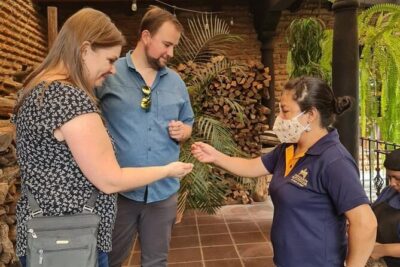

3 Mayan Villages Tour to Lake Atitlan (full day)
Read our review →
Lake Atitlan Day Tour from Antigua or City | Boat & Villages
Read our review →Browse the lists this tour appears in