
Reviewed · PACAYA VOLCANO TOURS
Hike to Pacaya Volcano from Antigua
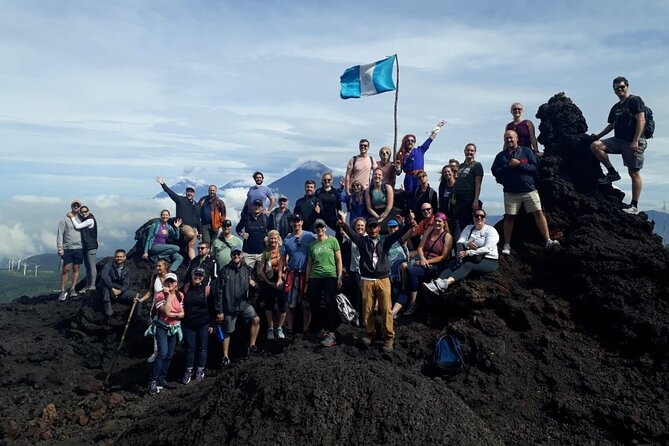
Feel volcanic heat beneath your feet. This half-day trip from Antigua takes you through forest and rough volcanic ground to a plateau above Pacaya’s lava fields. I especially like the easy hotel pickup and shared transport, plus the rare chance to roast marshmallows over hot vents. The views toward Guatemala’s other volcanoes can be superb.
The main caution is simple: this is a steep, moderate hike, not a casual stroll. Some people turn to a horse early in the climb, and the quality of the guiding can vary. English is advertised as basic, but some departures may be conducted almost entirely in Spanish.
In This Review
- Key points to know before you book
- From Antigua to Pacaya National Park
- The climb begins with a sharp test
- Horses are useful, but ask the price first
- Lava fields and the plateau above Pacaya
- Marshmallows, pizza, and extra costs
- How good is the guiding?
- What to wear for dust, wind, and rain
- Who will enjoy this Pacaya hike?
- Is the $35 price good value?
- Should you book this Pacaya Volcano tour?
- FAQ
- How long does the Pacaya Volcano tour take?
- How much does the tour cost?
- Is the Pacaya entrance fee included?
- Is horseback riding included?
- Can I approach Pacaya’s crater?
- Is the hike suitable for beginners?
- What should I bring?
- Does the guide speak English?
Key points to know before you book
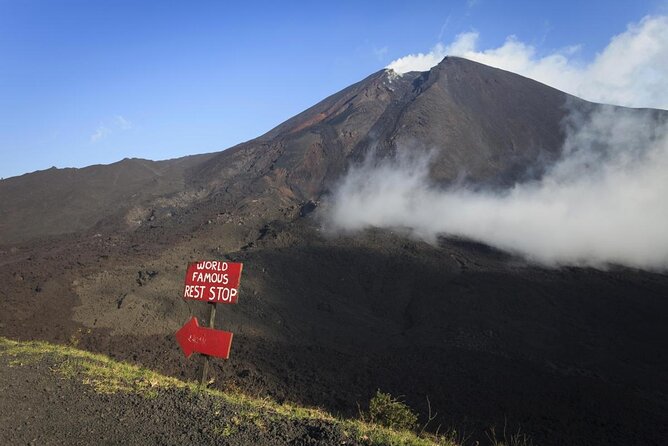
- The climb is short but steep: Expect roughly 1 to 1.5 hours uphill, with about 400 to 500 meters of elevation gain.
- The crater is off-limits: You reach a plateau and lava fields near the crater, but safety rules prevent you from approaching the crater itself.
- Volcanic heat is the star attraction: Steaming vents can warm marshmallows, and Pizza Pacaya may be available for an extra charge.
- Bring cash in quetzales: The national park fee is Q100 per person, and optional horses cost about Q300, with local pricing needing confirmation.
- Morning and afternoon offer different rewards: Morning departures may have clearer views, while the 2:00pm trip can bring sunset but may end in darkness.
- Good shoes matter: Dust, loose volcanic rock, steep sections, wind, and changing weather make sturdy footwear and layers worthwhile.
From Antigua to Pacaya National Park
Your day begins with pickup from selected hotels in Antigua. The usual meeting point is Café La Parada at 6a Avenida Norte No. 42, across from Iglesia de la Merced. During the 6:00am departure, weekends, Lent, Holy Week, and local festivals, the trip may begin or end at this central meeting point instead of your hotel.
The drive to Pacaya takes about an hour, though one-way times can stretch closer to 1.5 hours depending on traffic and the exact pickup arrangement. That matters because the advertised six-hour outing includes transport, park formalities, the hike, and the return ride. You are not getting six hours on the mountain.
The vehicle is shared, and the group can reach 24 people. Some departures are smaller, while others feel more like a moving line on a popular trail. Pickup may run late within the stated window, and the 2:00pm departure can be affected by Antigua’s afternoon traffic. The operator may ask you to meet at a central point to avoid holding up the whole group.
Once at the park entrance, you have a few minutes for the restroom and a quick stretch. Bring water before you arrive. Cash access nearby is not something you should count on.
More Hiking Tours in Antigua
- From Antigua: Adventure, 2-Day Hiking to Acatenango Volcano
★ 4.4 · 1,189 reviews - From Antigua: Pacaya Volcano Trek
★ 4.4 · 798 reviews - Antigua, Guatemala: Volcano Acatenango Overnight Hiking
★ 4.6 · 645 reviews
The climb begins with a sharp test
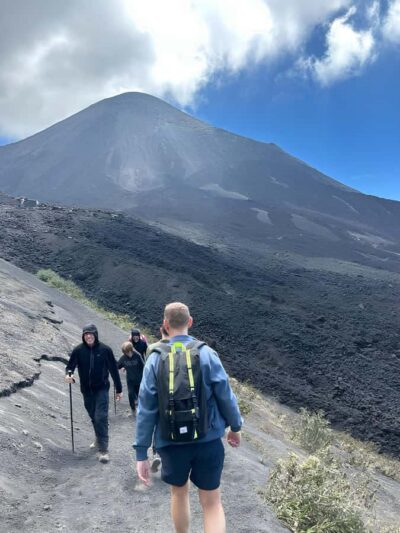
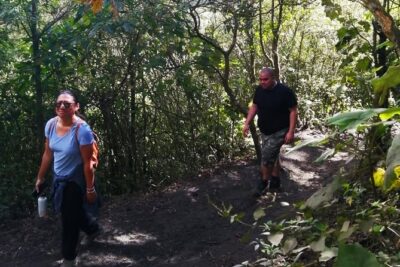
The Pacaya trail does not ease you in for long. The first sections rise quickly, and the combination of altitude, heat, and loose ground can make the climb feel harder than its distance suggests. You begin around 5,000 feet above sea level and climb toward roughly 2,500 meters, so even a fit person may need time to settle into the pace.
I would treat this as a genuine moderate hike. Several sections are steep enough that a walking stick helps, especially on the descent. Wooden sticks are sold locally for about Q10, or roughly US$1.50. That is a small expense compared with the help it can provide on dusty slopes.
The guide normally sets a group pace with stops along the way. Strong hikers may find the climb manageable in about 45 minutes to an hour, while others need closer to 1.5 hours. Your experience will depend on fitness, weather, altitude, and how often the group pauses.
The path passes through forest before opening onto more exposed volcanic ground. A good guide may point out plants, trees, past eruptions, and local customs. Guides such as Ervin, Irving, and Mono have received especially warm praise for being friendly, patient, and encouraging. Still, do not assume every guide will offer the same amount of explanation, and do not book this trip solely for a detailed English-language lesson.
Horses are useful, but ask the price first
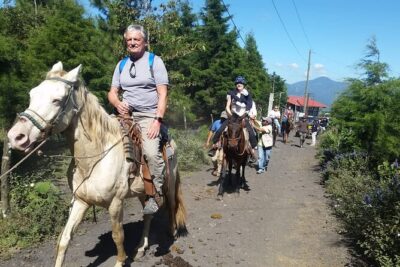
Local horse providers meet groups near the trailhead. You may be offered a horse repeatedly, sometimes even after saying no. That sales pressure can be irritating, particularly at the start when you are trying to find your rhythm.
The horse is not included in the tour. The listed price is about Q300 per horse, roughly US$40, but pricing can vary by direction and provider. Some people have been quoted one price for going up and another for going down, while other reports mention about Q400 for a round trip. Ask clearly if the price is one way or both ways before you mount.
A horse can make sense if you have knee trouble, are unsure about the altitude, or find the first incline too much. Some hikers ride only part of the uphill route and walk down. That is a practical compromise, though the horse service is arranged directly with local community providers and is your responsibility.
If you are hiking with an older family member or anyone with limited endurance, discuss the option before the group starts. The climb can become tiring quickly, and staying together is easier when you make a plan early.
Lava fields and the plateau above Pacaya
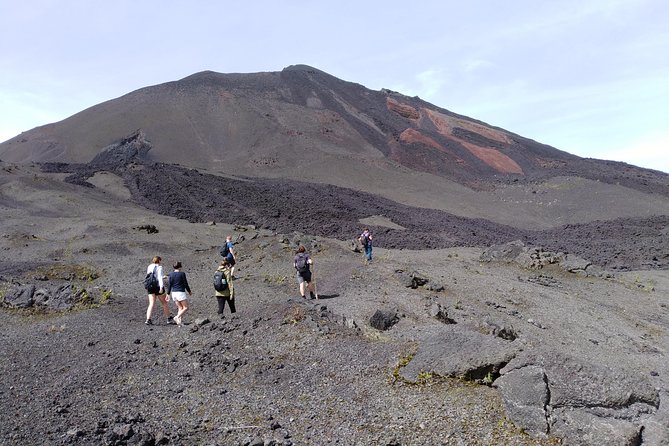
The reward for the climb is not a crater-rim walk. Access to the crater is restricted for safety, so you stop at a high plateau overlooking dried lava fields and volcanic terrain. You can still feel the power of the volcano in the steaming vents and warm rocks underfoot.
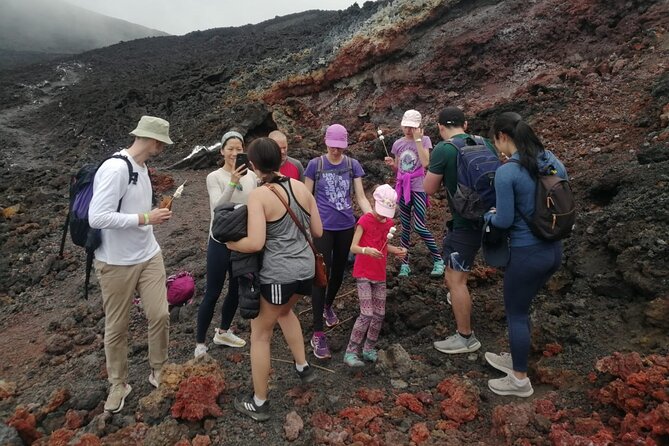
This is the most unusual part of the outing. You are not simply looking at a distant volcano from a viewpoint. You walk across ground shaped by eruptions and see places where heat still escapes. The surface can be dusty and uneven, so keep your feet protected and avoid wandering away from the guide.
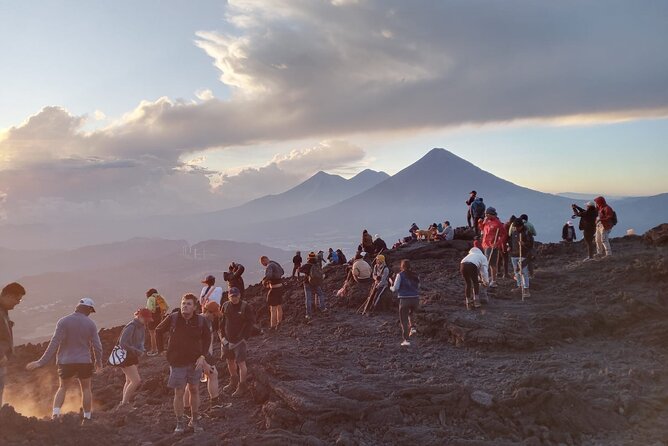
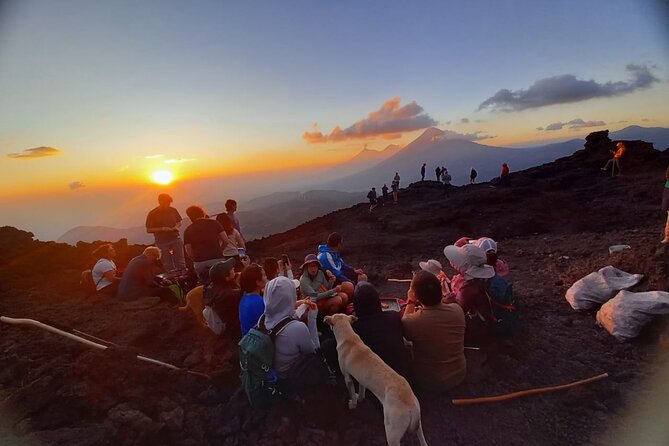
The plateau provides broad views of Guatemala and nearby volcanoes when the weather cooperates. On some departures, fog or cloud hides much of the view. Morning can offer clearer conditions, while afternoon trips may provide sunset light. Neither is guaranteed, since weather changes quickly at elevation.
The 2:00pm departure is appealing if you want sunset, but plan for a dark final section. Bring a flashlight or headlamp, not just your phone. The descent is quicker for many people, yet volcanic ground is harder to read after sunset.
More Pacaya Volcano Tours in Antigua
- From Antigua: Pacaya Volcano Tour in English/Spanish
★ 4.5 · 930 reviews - Antigua: Pacaya Volcano ATV Tour
★ 4.6 · 120 reviews - ¡Pacaya Volcano Tour from Antigua!
★ 5.0 · 114 reviews - Antigua: Marshmallows Roasting at Pacaya Volcano 6-hour Tour
★ 4.5 · 90 reviews
Marshmallows, pizza, and extra costs
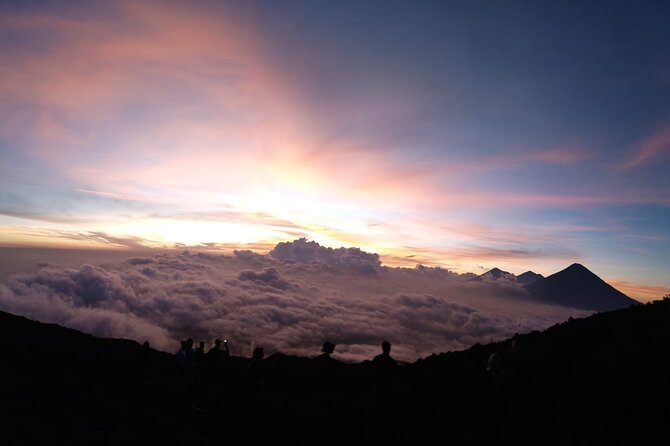
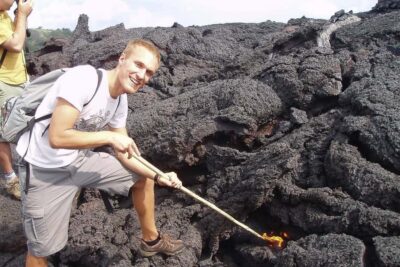
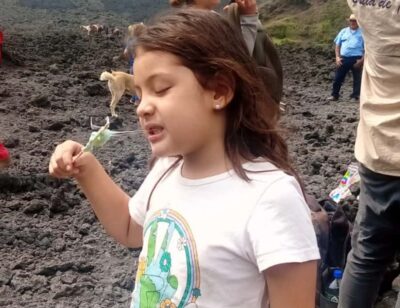
Roasting marshmallows over volcanic vents is a fun detail and one of the best reasons this trip feels different from an ordinary mountain walk. The guide can help you use the heat safely, and the snack gives the group a pleasant pause after the climb.
Pizza Pacaya may also be arranged when conditions and availability allow. This is an independent extra, not part of the $35 tour price. Orders and payment go directly to David of Pizza Pacaya, and the tour company can help connect you if the service is available.
The pizza can become expensive, with prices reported from about US$20 to US$60 depending on the order. That is far beyond a normal snack, so think of it as a novelty purchase rather than part of the tour’s core value. If you want only the volcano experience, marshmallows and the views are enough.
The base price is attractive at $35 per person because it covers shared round-trip transport and a Spanish-English trail guide. Add the Q100 park admission, however, and your unavoidable cost is closer to $49 before tips, food, a stick, or a horse. You must pay the entrance fee in cash and quetzales at the park.
How good is the guiding?
The best guides add real value. A patient guide can keep a mixed-ability group moving, point out plants and volcanic features, explain the area’s past eruptions, and make sensible stops for rest. Ervin and Mono are names associated with warm, engaging departures, while Irving has been praised for taking time with each person in the group.
That said, the guiding experience is not perfectly consistent. Some departures have had a guide who moved too far ahead, leaving slower hikers without enough direction. A particularly serious concern is becoming separated at a fork after dark. Stay with the group, keep the guide in sight, and speak up if the pace is too fast.
English ability is another variable. The tour describes the guide’s English as basic. In practice, you may receive useful bilingual help, or you may hear little or no English during the outing. If volcanic geology explained in English is central to your plans, this may not be the right tour.
The group size can also affect the feel of the hike. A group of 10 to 14 people is easier to manage than the maximum of 24. On a busy day, expect other groups and horses on the same trail.
What to wear for dust, wind, and rain
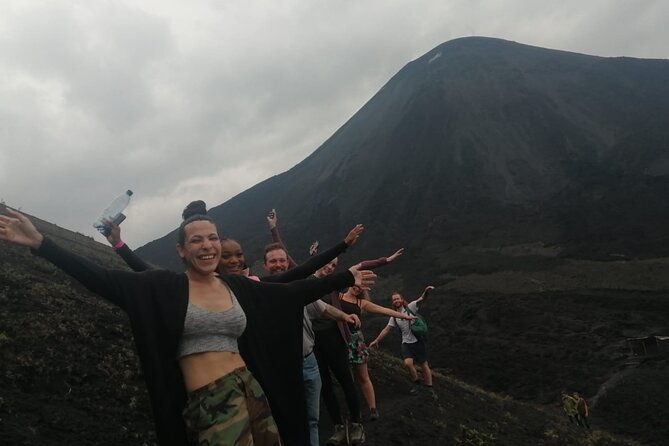
Wear hiking boots with good traction and toe protection. Tennis shoes may get you up, but loose volcanic rock and dust can make them a poor choice, especially on the descent. Tall socks are useful because fine stones and dirt can work their way into low shoes.
Pack layers. The climb may feel warm, but the plateau can be cold and windy. A light jacket is useful in the dry season from November through April, and a hat or cap plus sunscreen helps in exposed areas.
During the rainy season, from May through October, bring a raincoat or poncho and waterproof footwear. A cover for your backpack is also a smart choice. The tour operates in rain unless dangerous weather or an official access restriction forces cancellation.
I would bring at least one liter of water, old clothes, a flashlight for any afternoon or sunset departure, sunscreen, a warm layer, and cash for the park fee and tip. A walking stick is optional, but I consider it good value.
Who will enjoy this Pacaya hike?
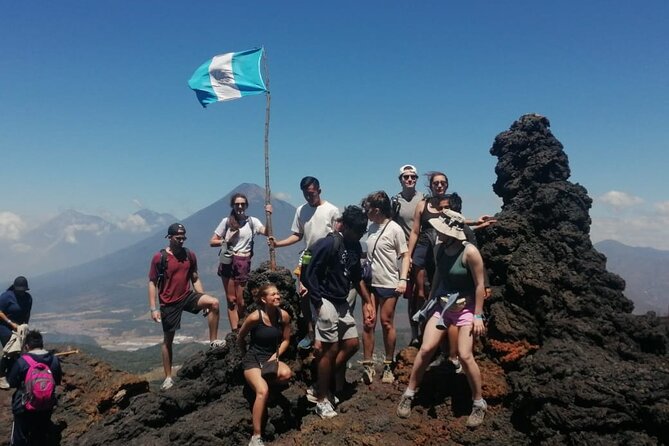
This outing suits you if you want a volcano experience without committing to a full-day expedition. It works well for active families, solo visitors, couples, and anyone staying in Antigua who wants to spend half a day outdoors.
Children as young as four can join, but the age minimum does not mean the hike is easy for every child. The climb is steep, and children must stay with an adult. A horse may help, but it should not be treated as an automatic solution for every young child.
You should think twice if you dislike uneven ground, struggle with uphill walking, need highly detailed English commentary, or want a quiet trail. The route is popular, and horses plus other groups can make the opening sections feel crowded.
The trip is also a good fit for mixed-ability groups because a horse option exists. The catch is that weaker hikers should not wait until they are exhausted to decide. Make the call early and confirm the local price.
Is the $35 price good value?
Yes, with qualifications. For $35, you receive transport from Antigua, a guided visit to Pacaya, and the convenience of not arranging the park transfer yourself. That is a fair deal for a half-day outing.
The real budget is higher. Add the mandatory Q100 entrance fee, then allow for a tip, water, a walking stick, and possibly a horse. Pizza is an entirely separate splurge. You should arrive with enough quetzales for the park and optional purchases, since an ATM may not be available at the trailhead.
The value is strongest if you want simple transport and a local guide. It is weaker if you expect a private experience, a small group, precise departure times, or fluent English instruction throughout.
Should you book this Pacaya Volcano tour?
I would book it if you are reasonably fit, pack proper shoes and layers, and understand that Pacaya is a steep volcanic hike rather than a gentle sightseeing walk. The hot vents, lava fields, views, and marshmallow stop create a memorable outing, and the short format fits neatly into an Antigua stay.
I would skip it if you want guaranteed clear views, a crater approach, or a polished English-speaking guide. Before you go, confirm the horse price, carry Q100 in cash for admission, and bring a flashlight for the afternoon trip.
Free cancellation is available when you cancel at least 24 hours before the start time. Changes or cancellations inside that window are not refunded. For many people, Pacaya is worth the effort, but it rewards preparation more than optimism.
FAQ
How long does the Pacaya Volcano tour take?
The full experience takes about six hours, including shared transport from Antigua, the park visit, the hike, and the return journey. The mountain portion is roughly three hours, depending on the group and pace.
How much does the tour cost?
The tour costs $35 per person. The mandatory Pacaya National Park entrance fee is extra and costs Q100 per person, payable in cash and quetzales.
Is the Pacaya entrance fee included?
No. You must pay Q100 per person directly at the national park entrance.
Is horseback riding included?
No. Horse rental is optional and arranged directly with local providers at the park. The listed approximate cost is Q300 per horse, but ask whether the price covers one direction or both before agreeing.
Can I approach Pacaya’s crater?
No. For safety reasons, you cannot approach the crater. The route reaches a plateau with views over volcanic terrain, dried lava fields, and steaming vents.
Is the hike suitable for beginners?
The hike requires a moderate fitness level and includes steep sections. Your ability to complete it depends on your physical condition, and horses are available as an optional service if you need help.
What should I bring?
Bring sturdy hiking boots, water, comfortable clothing, a light jacket, sun protection, and cash in quetzales. During the rainy season, add waterproof footwear, a raincoat or poncho, and a backpack cover. A flashlight is important for afternoon or sunset departures.
Does the guide speak English?
The tour includes a Spanish-English trail guide with basic English. The amount of English can vary, so you may receive only limited English explanations during the hike.
Recently added around Antigua
- Antigua Guatemala: Half-Day Mountain Bike Tour with Guide★ 5.0 · 3 reviews
- Antigua: Altamira and Hobbitenango Movie Themed Parks Tour★ 4.8 · 3 reviews
- From Guatemala City, Tour to Antigua Guatemala★ 4.5 · 3 reviews
- 2-day tour from Antigua 1 night in Acatenango Volcano★ 3.1 · 4 reviews
- Antigua ATV cultural adventure★ 5.0 · 4 reviews
- Antigua Guatemala: Full day tour.★ 4.8 · 4 reviews
- Hobbitenango & Antigua Shared Day Tour★ 5.0 · 4 reviews
- One-day tour from Antigua to Lake Atitlán★ 4.6 · 5 reviews
Pacaya Volcano Tours, compared.
Marshmallows Roasting at Pacaya Volcano 6-hour Tour
Read our review →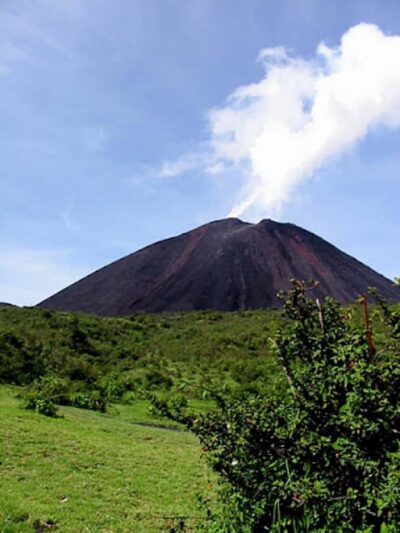
From Guatemala City or Antigua: Pacaya Volcano Day Tour
Read our review →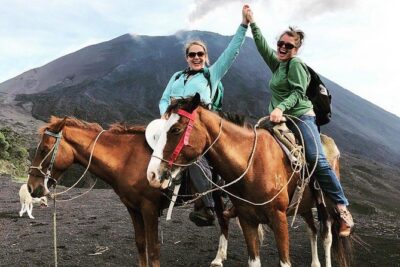
Pacaya Volcano Tour and Hot Springs from Guatemala City
Read our review →Browse the lists this tour appears in