
Reviewed · ANTIGUA TOURS
Chocolate workshop; gastronomic experience of cocoa.
Chocolate tastes better when you make it. This Antigua Guatemala workshop gives you a hands-on look at Guatemalan aroma cocoa, from its Maya-era importance to the finished bar in your hands. I like the full process, especially roasting, shelling, grinding, and shaping the chocolate yourself.
I also like the small-group format, the tastings, and the fact that materials are included. Spanish is the teaching language, so translation may take a little patience, though Ingrid and Andrea have helped make the class clear and friendly for people with limited Spanish. The main drawback is simple: the workshop lasts about 1.5 hours, so this is a focused activity rather than a full-day outing.
In This Review
- Key points at a glance
- Why this cocoa workshop is worth your time
- Finding the mustard-colored house in Antigua
- Starting with the Maya story of cocoa
- Roasting and shelling your own beans
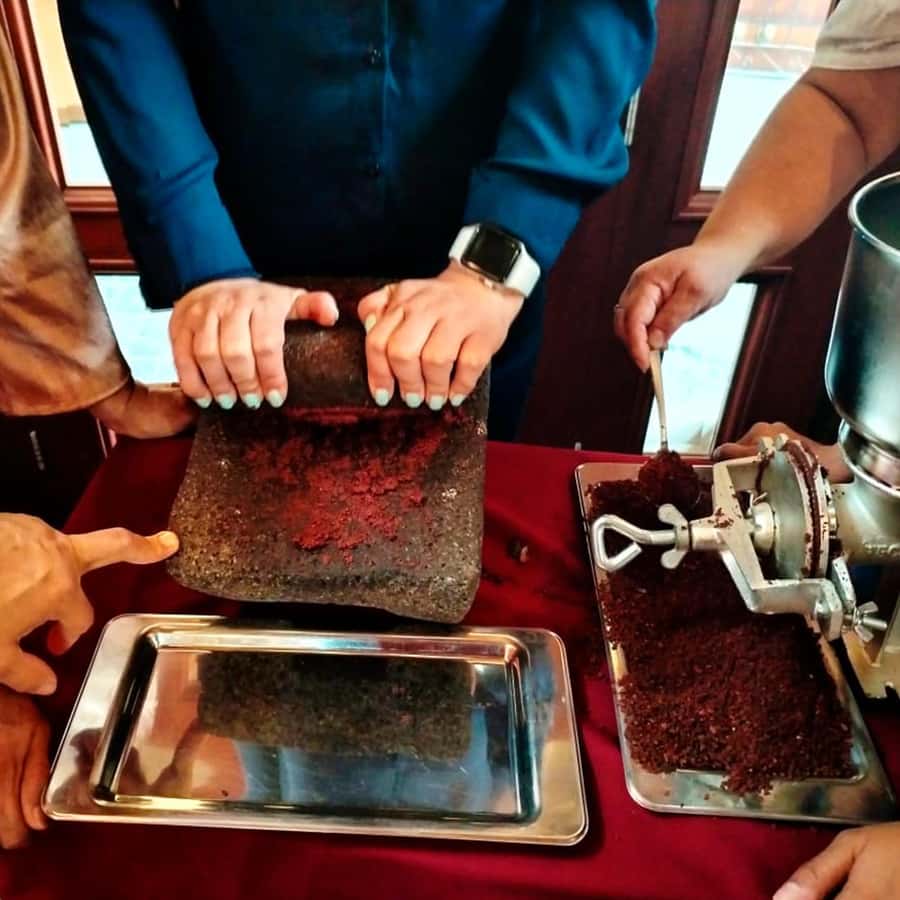
- Grinding cocoa until it becomes chocolate
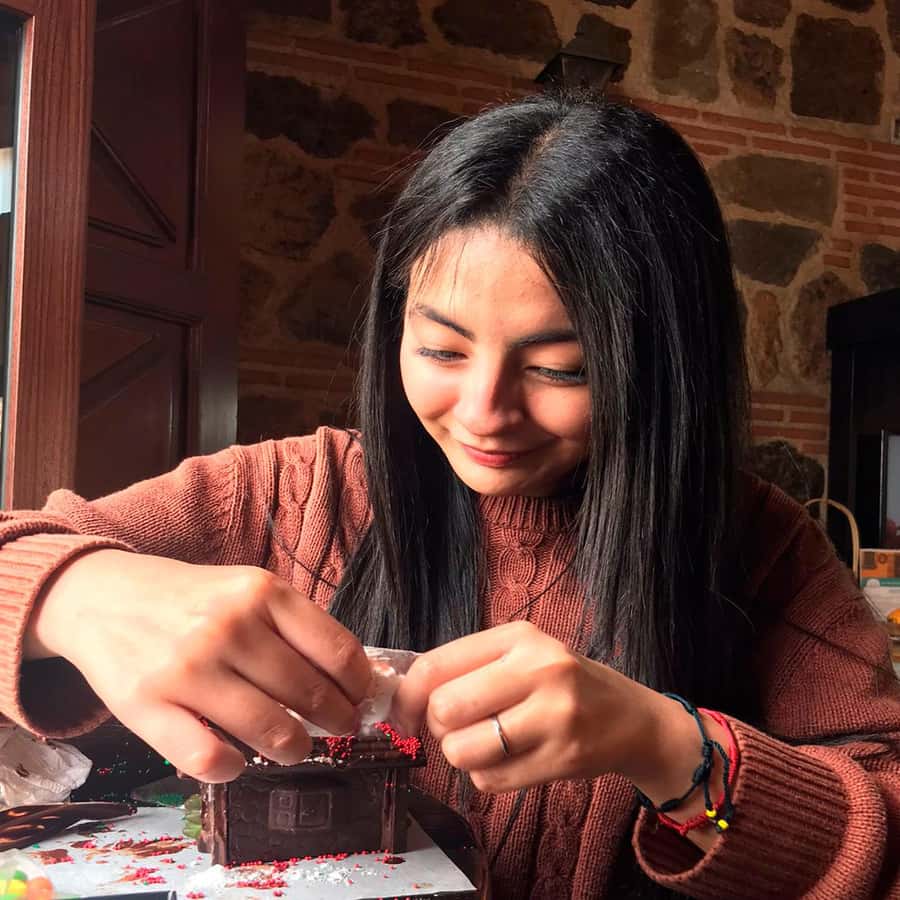
- Forming the chocolate bar you take home
- What the guides add to the experience
- Who will enjoy this Antigua activity most
- Timing, flexibility, and the real value of $32
- A few practical tips before you go
- Should you book the Maya Cacao Chocolates workshop?
- FAQ
- Where does the chocolate workshop take place?
- How long does the workshop last?
- What is included in the $32 price?
- What will I do during the class?
- Is the workshop taught in English?
- Can children join the workshop?
- Can I cancel or pay later?
Key points at a glance
- Maya cocoa comes first: You begin with the origin, importance, and uses of cocoa in Maya times.
- You handle the whole process: Sort, roast, shell, grind, and shape your own chocolate.
- Your five senses do the work: Tastings and aromas show how cocoa changes at each stage.
- Spanish is the main language: Written information and Google Translate can help if your Spanish is limited.
- The price includes the practical parts: At $32 per person, you get materials, tastings, and your own chocolate bar.
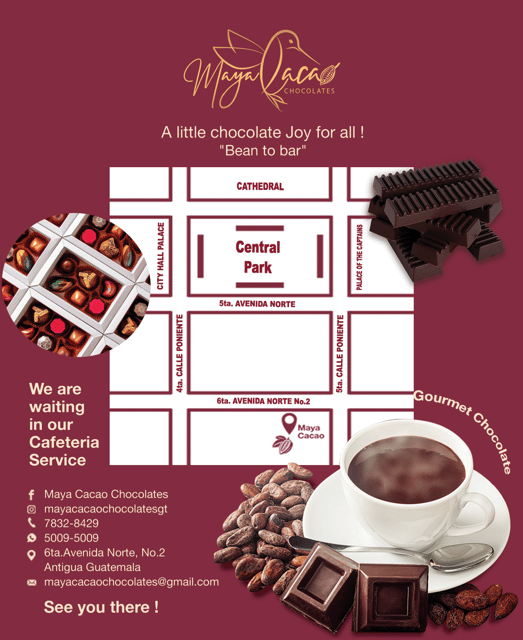
- The location is easy to reach: Look for the mustard-colored house one block from Parque Central, with a teddy bear at the door.
Why this cocoa workshop is worth your time
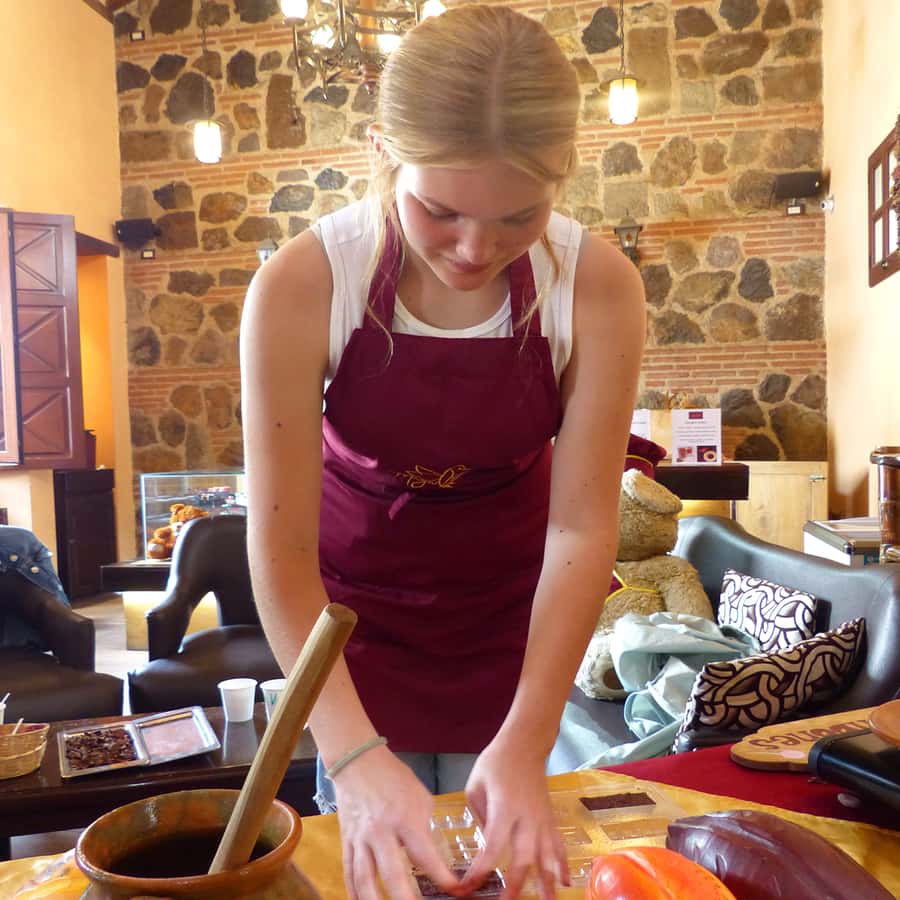
Antigua has no shortage of food stops, but this class gives you something better than a quick sample. You do not simply taste a finished chocolate and move on. You see how cocoa changes under heat, how the shell separates from the bean, and how grinding turns a firm, dry ingredient into something smooth and fragrant.
I like that the experience connects food with Guatemala’s past. Cocoa was important to the Maya, and the class begins by explaining its origin, importance, and uses during that period. That short introduction gives the tasting a purpose. You are not just eating chocolate. You are learning why cocoa mattered before modern candy bars and packaged sweets took over the story.
The activity also works well for families with older children. Children under seven are not accepted, but those above that age can take part in a task with a clear result. You sort beans, roast them, remove the shells, grind them, and form your own bar. That is more memorable than watching someone else prepare dessert.
The experience is offered as a private group, which matters if you want to ask questions or work at your own pace. It may also suit a family or small party better than a large public demonstration. The tradeoff is that the instructor speaks Spanish, so non-Spanish speakers should be ready to use translation help.
More classes and workshops in Antigua:
- Antigua: Cooking Class with Local Family
★ 5.0 · 6 reviews - Lake Atitlan Maya Kitchen: 3-Hour Cooking Class
★ 4.8 · 17 reviews - El Paredón: Traditional Cooking Class with a Local Family
★ 4.8 · 4 reviews
Finding the mustard-colored house in Antigua
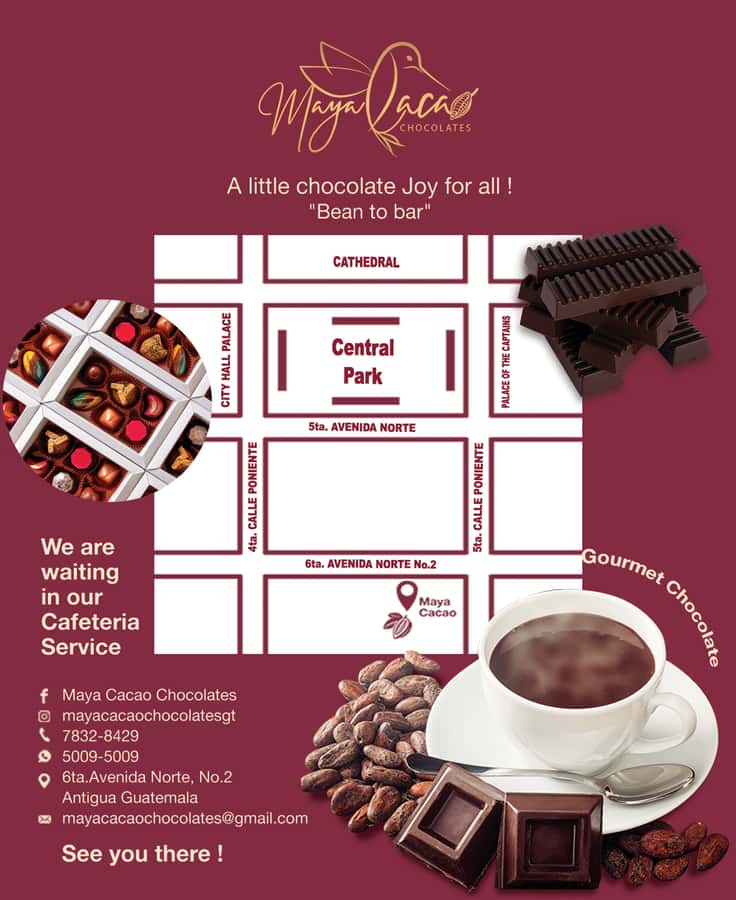
The meeting point is 6a Avenida Norte 6, about one block from Parque Central. You are looking for a mustard-colored house. A teddy bear at the door acts as the welcome sign, which is a useful detail in a city where similar colonial facades can make addresses hard to spot.
I would allow a few extra minutes to find it. One past participant specifically found the directions worth improving, so do not rely only on a quick glance at the address. Start from Parque Central, walk along 6a Avenida Norte, and watch for the house color and teddy bear.
This central location makes the workshop easy to add to a day in Antigua. You do not need a separate transfer or a long ride outside town. It can fit before lunch, after a morning walk, or between visits to the city’s churches and museums.
The listed price is $32 per person. Since that includes the materials, tastings, and chocolate bar you make, the value is strongest if you want an active food lesson rather than a simple purchase. If you only want to buy chocolate, the class may feel like more than you need. You do receive a 5 percent discount throughout the store, which adds a little value if you plan to take home more cocoa products.
Starting with the Maya story of cocoa
The workshop opens with a lesson about cocoa in Maya times. You learn where cocoa came from, why it mattered, and how it was used. This beginning is short enough to keep the session moving, but it gives you a useful frame for the hands-on work that follows.
I appreciate this order. The history comes before the tasting, so the beans are not treated as an anonymous ingredient. You understand that cocoa has a long place in Guatemalan culture and that its importance goes beyond modern sweets.
The class then shifts to the five senses. You smell and taste cocoa at different stages, noticing how roasting and grinding change its character. The point is not to memorize technical terms. It is to pay attention. A dry bean, a roasted bean, ground cocoa, and formed chocolate do not offer the same aroma or texture.
That sensory approach makes the workshop friendly to beginners. You do not need prior cooking experience. You simply observe, taste, and follow the instructor’s steps.
Roasting and shelling your own beans
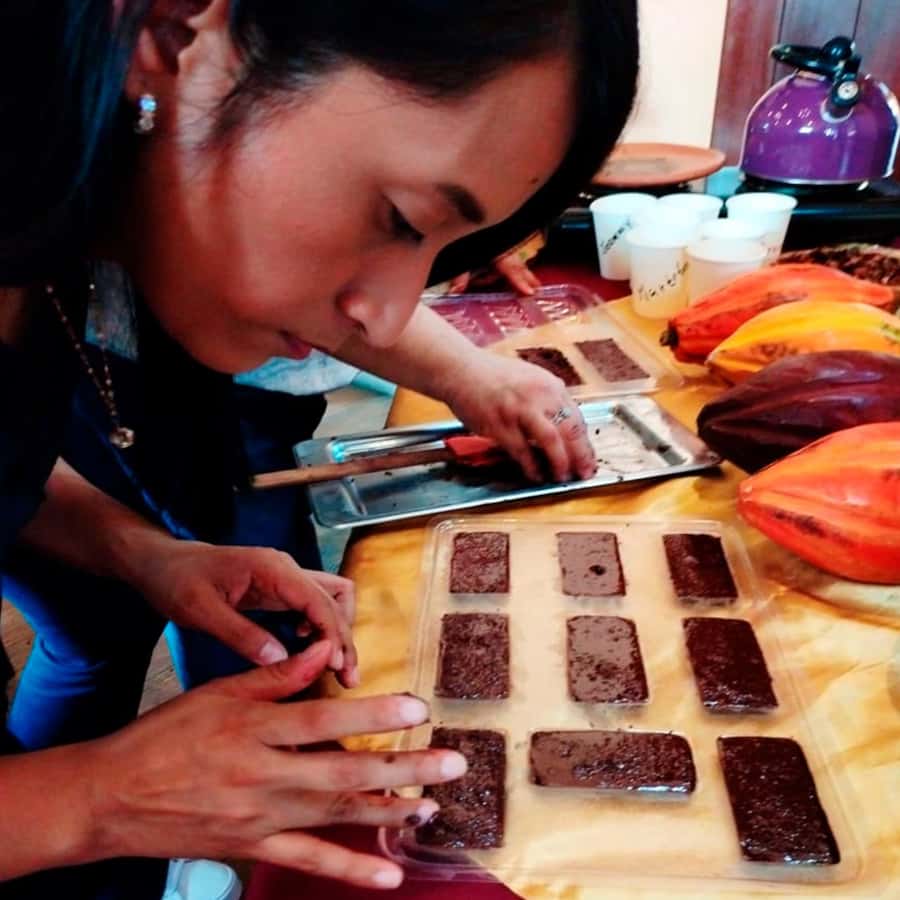
The first major hands-on task is roasting the cocoa. Heat changes the beans and brings out a fuller aroma, making this one of the most important stages in the class. You get to see that flavor does not appear by accident. It develops through careful handling.
After roasting, you shell the beans. This means separating away the outer covering before the cocoa can be ground. The job is simple enough to follow, but it also shows how much work sits behind a finished chocolate bar.
I like this part because it slows down the process. In a shop, chocolate looks finished and effortless. Here, you see the small steps that usually disappear. The work is not difficult, but it is physical and hands-on. That makes the final bar feel earned.
You should expect some variation in pace. A group that asks many questions or needs translation may take longer at each step. The session is scheduled for about 1.5 hours, so the instructor keeps the process moving while still allowing you to participate.
A completely different sort of day around Antigua:
- From Antigua: Adventure, 2-Day Hiking to Acatenango Volcano
★ 4.4 · 1,189 reviews - From Antigua: Pacaya Volcano Tour in English/Spanish
★ 4.5 · 930 reviews - From Antigua: Pacaya Volcano Trek
★ 4.4 · 798 reviews - Antigua, Guatemala: Volcano Acatenango Overnight Hiking
★ 4.6 · 645 reviews
Grinding cocoa until it becomes chocolate
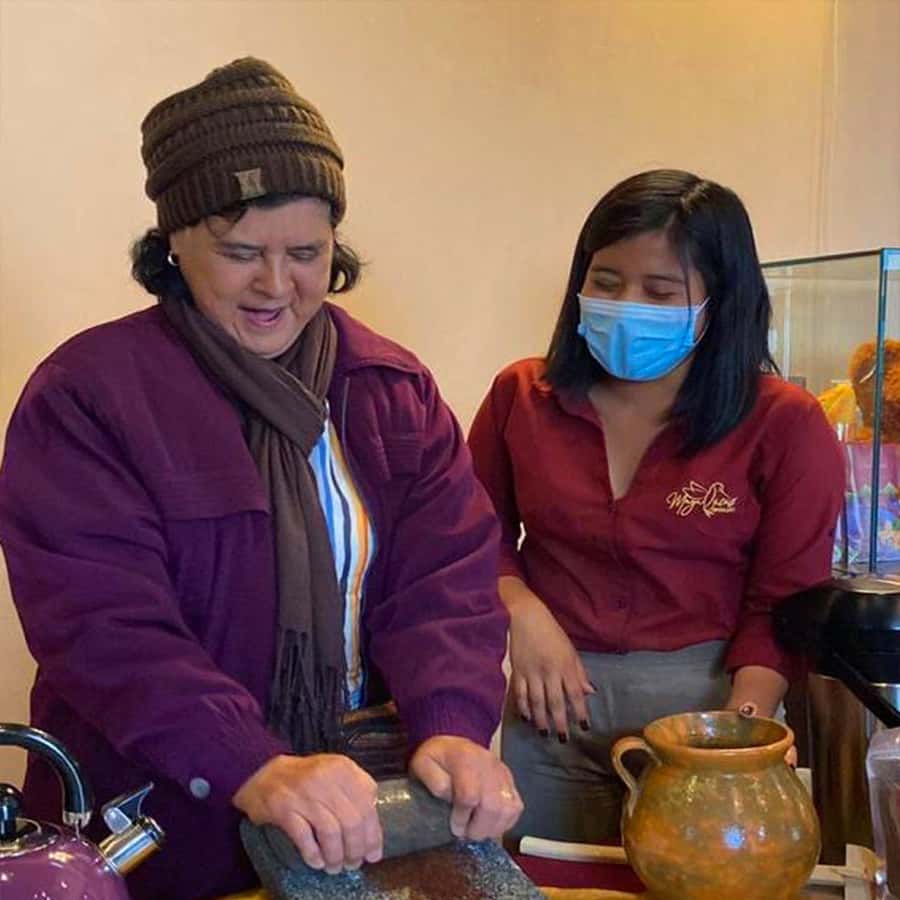
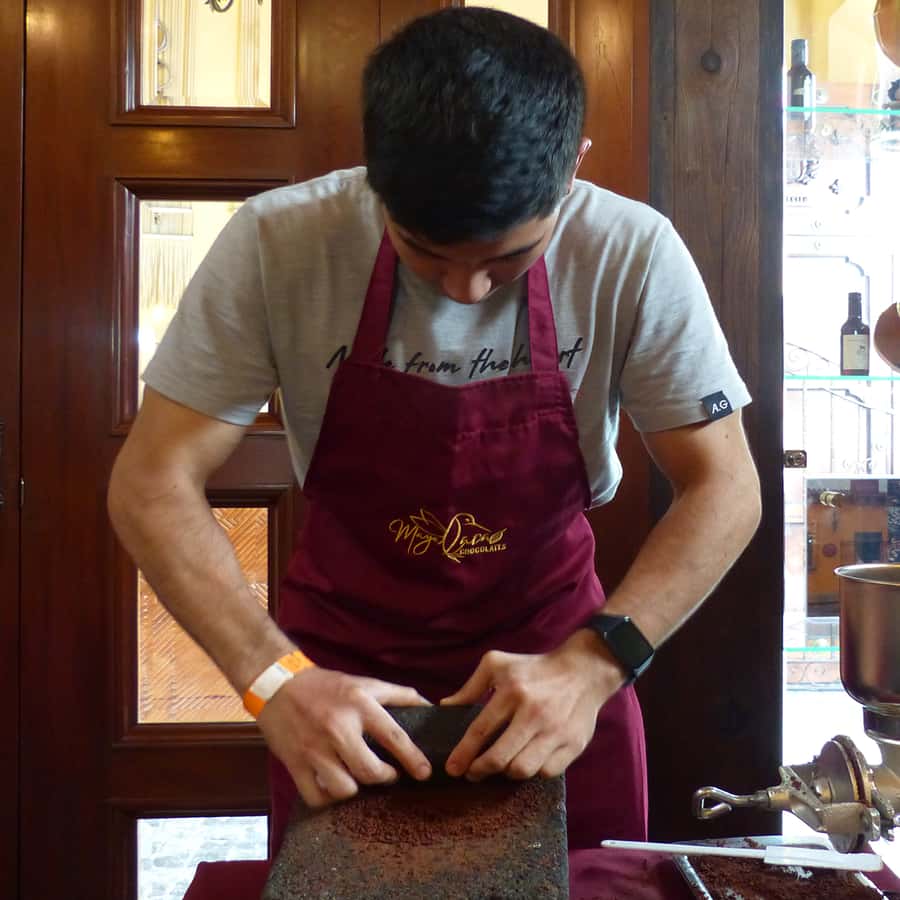
Once the beans are prepared, you grind your own cocoa. This is where the ingredient begins to resemble the chocolate you know. The texture changes, and the aroma becomes more immediate.
This stage is especially good for anyone curious about food production. You are not just told that cocoa becomes chocolate. You help make that change happen. The contrast between the original bean and the ground mixture gives the class its strongest teaching moment.
The workshop uses tastings along the way, so you can compare the flavor at different points. You may find that the chocolate tastes less sweet or less familiar than a commercial bar. That is part of the lesson. Guatemalan aroma cocoa has its own character, and the class lets you experience it before other ingredients and factory processing shape the final result.
A practical note for Spanish speakers: the class is conducted in Spanish. Several people with limited Spanish have managed well with patient instruction, written material, and Google Translate. If you do not speak Spanish, download or prepare your translation tool before arriving. That small step can make the process much easier.
Forming the chocolate bar you take home
The final stage is forming your own chocolate bar. This is the payoff, but it is also a useful reminder that the workshop is about participation, not polished confectionery technique.
Your bar is made by you, using the cocoa you have worked with during the class. It gives you a physical souvenir that connects directly to the activity. Instead of taking home only a packaged product, you leave with something you shaped yourself.
Do not expect a professional pastry lesson with elaborate decoration or advanced recipes. The appeal is the simple chain from bean to bar. You roast, shell, grind, and form. The pleasure comes from seeing the complete process in a short period.
The finished chocolate is also described as free of preservatives. That may appeal to you if you prefer a simpler product. Still, the main value is the experience and the understanding you gain, not the size or presentation of the bar.
What the guides add to the experience
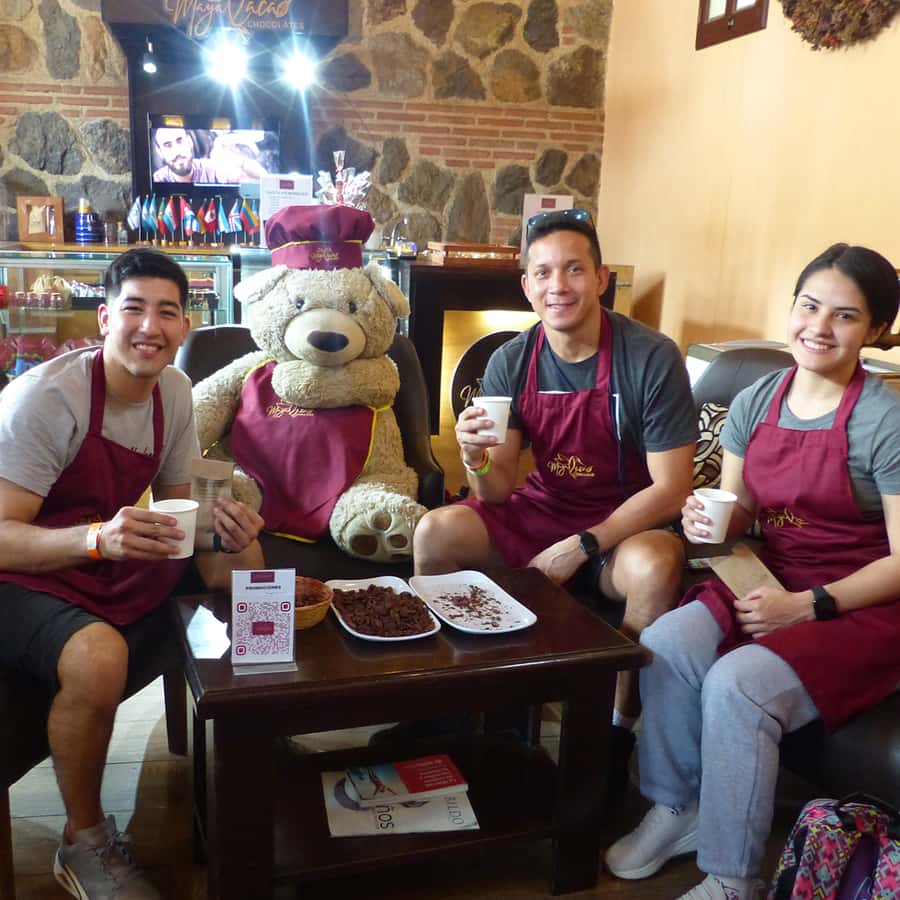
The teaching appears to be one of the strongest parts of this activity. Ingrid has been praised for being patient and interactive, including with a family that did not speak Spanish. Andrea has also been praised for explaining each step clearly while guiding participants from sorting the beans through forming the bars.
Those details matter because language can affect a hands-on lesson. If you cannot follow the instructions, the class becomes a demonstration instead of an activity. Patience, written information, and visual steps help keep you involved.
The official language is Spanish, so I would not book this expecting a full English-language class. You may get by with basic Spanish and translation technology, but important explanations could take longer. If someone in your group can translate, the experience should be easier for everyone.
The private-group setting helps here. You have more room to pause, ask for a repeat, or confirm what to do next than you might in a crowded public class. That is useful for families and mixed-language groups.
Who will enjoy this Antigua activity most
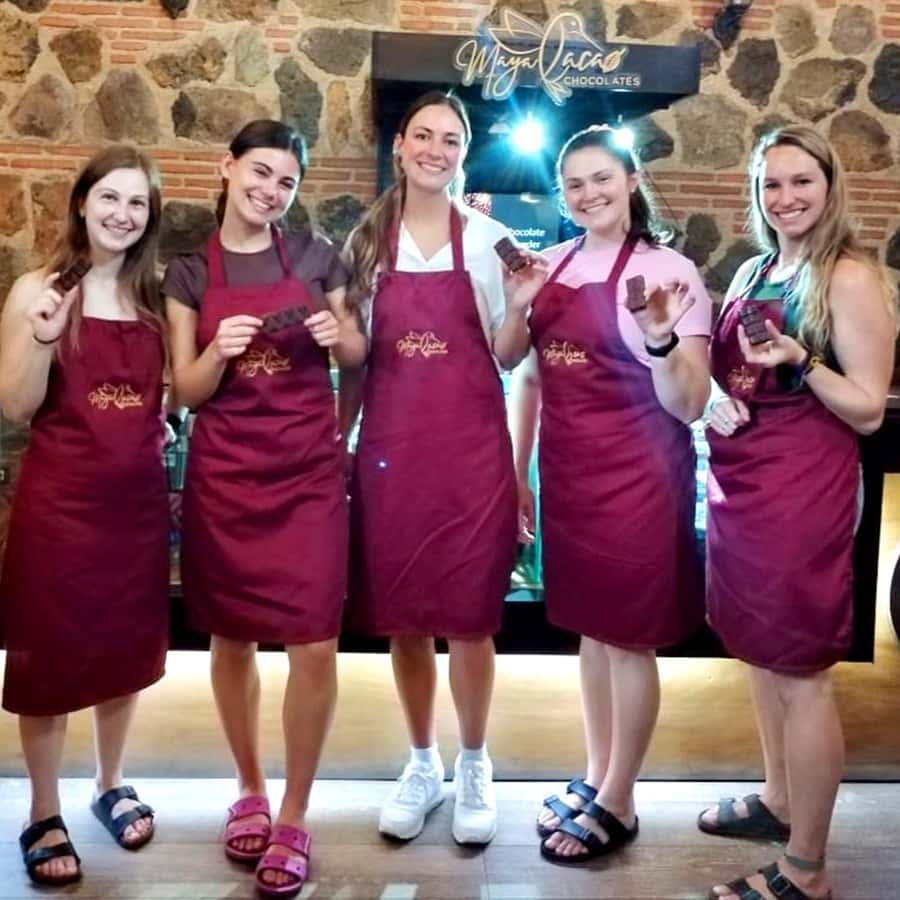
I would recommend the workshop to several types of visitors:
- Families with children over seven: The sequence of tasks gives younger participants something active to do.
- Food-minded visitors: You get a closer look at how an ingredient changes from bean to chocolate.
- Couples and small groups: A private class offers an easy shared activity without a large audience.
- Visitors who enjoy local products: The focus stays on Guatemalan cocoa rather than generic imported candy.
- First-time chocolate makers: No special experience is required, and the instructor leads you through the stages.
It may be less suitable if you want a long culinary course, advanced chocolate decoration, or instruction in English. The session is short, and the teaching language is Spanish. It is also not suitable for children under seven.
The activity is wheelchair accessible, which makes it a practical option for people who need an accessible venue. You may still want to confirm the specific setup when booking if your needs are detailed, but the activity itself is listed as accessible.
Timing, flexibility, and the real value of $32
The workshop duration is about 1.5 hours, although the activity is listed as valid for one day with starting times based on availability. That wording concerns the booking date, not a full day of instruction. Plan on a compact class that leaves most of your day free.
At $32 per person, I see fair value if you take part in every step. Materials and tastings are included, and you leave with a chocolate bar made during the class. The store’s 5 percent discount gives you another reason to browse afterward, especially if you want packaged chocolate or cocoa products.
The value is weaker for someone who dislikes group instruction or already knows how chocolate is made. You are paying for access to the process, guidance, tastings, and the memory of making the bar. It is not priced like a quick retail sample.
You can reserve now and pay later, which helps if your Antigua schedule is still shifting. Free cancellation is available up to 24 hours before the activity for a full refund. Those policies make the class easier to fit into a changing itinerary.
A few practical tips before you go
Arrive with enough time to locate the house. The address is central, but the mustard color and teddy bear are the details most likely to help you identify the entrance.
Prepare your translation method if you are not comfortable in Spanish. Google Translate has worked for non-Spanish-speaking participants, and written information has also helped. Keep your phone charged, since language support is more useful when you can access it quickly.
Wear something suitable for a hands-on food activity. The provided information does not specify a dress code, but you will be handling cocoa through several stages, so practical clothing makes sense.
Think of the session as a guided tasting and making class, not a full meal. The included food is cocoa and chocolate related. If you need lunch, plan another stop in Antigua.
If you have a child in your group, check the age rule carefully. Children under seven cannot take part. Older children may find the work engaging, especially if they like touching, smelling, and shaping ingredients.
Should you book the Maya Cacao Chocolates workshop?
Book it if you want a short, active food experience in central Antigua and like the idea of making your own souvenir. The best parts are the complete bean-to-bar process, the Maya cocoa background, the tastings, and the patient style of instruction reported from guides such as Ingrid and Andrea.
I would be more cautious if you need English instruction, want a long class, or prefer to watch rather than work. For everyone else, $32 is a reasonable price for a private, accessible session that includes materials, tastings, your own chocolate bar, and a 5 percent store discount. It is a small activity, but it gives you a much better understanding of Guatemalan cocoa than simply buying a bar from a shelf.
FAQ
Where does the chocolate workshop take place?
It takes place at 6a Avenida Norte 6 in Antigua Guatemala, in the Sacatepéquez Department of Guatemala. The house is about one block from Parque Central and is mustard-colored, with a teddy bear at the door.
How long does the workshop last?
The workshop lasts about 1.5 hours. The activity is valid for one day, with starting times available according to the booking calendar.
What is included in the $32 price?
The price includes the materials used during the workshop, tastings of cocoa at different stages, and a chocolate bar made by you.
What will I do during the class?
You learn about cocoa during Maya times, taste and smell cocoa through different processes, roast and shell the beans, grind your own cocoa, and form your chocolate bar.
Is the workshop taught in English?
The instructor language is Spanish. Written information and translation tools such as Google Translate may help if you do not speak Spanish.
Can children join the workshop?
Children under seven are not permitted to take part. The supplied information does not give a maximum age.
Can I cancel or pay later?
You can reserve now and pay later. You can also cancel up to 24 hours in advance for a full refund.
Recently added around Antigua
- Antigua Guatemala: Half-Day Mountain Bike Tour with Guide★ 5.0 · 3 reviews
- Antigua: Altamira and Hobbitenango Movie Themed Parks Tour★ 4.8 · 3 reviews
- From Guatemala City, Tour to Antigua Guatemala★ 4.5 · 3 reviews
- 2-day tour from Antigua 1 night in Acatenango Volcano★ 3.1 · 4 reviews
- Antigua ATV cultural adventure★ 5.0 · 4 reviews
- Antigua Guatemala: Full day tour.★ 4.8 · 4 reviews
- Hobbitenango & Antigua Shared Day Tour★ 5.0 · 4 reviews
- One-day tour from Antigua to Lake Atitlán★ 4.6 · 5 reviews
Antigua Tours, compared.
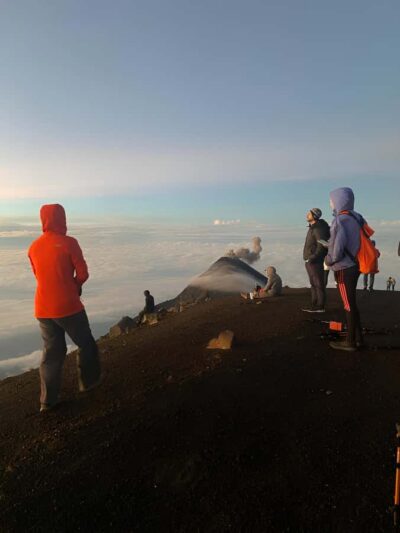
Adventure, 2-Day Hiking to Acatenango Volcano
Read our review →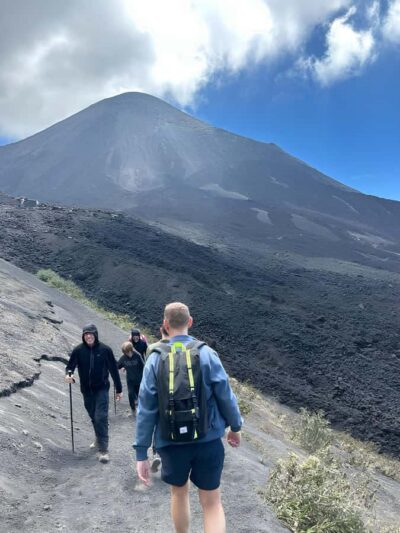
Antigua, Guatemala: Volcano Acatenango Overnight Hiking
Read our review →
From Antigua, Round Trip: Exploring The Villages Of Lake Atitlán.
Read our review →
Browse the lists this tour appears in